Detektor revue 4/2021
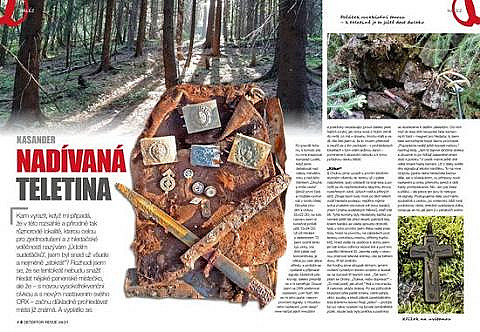
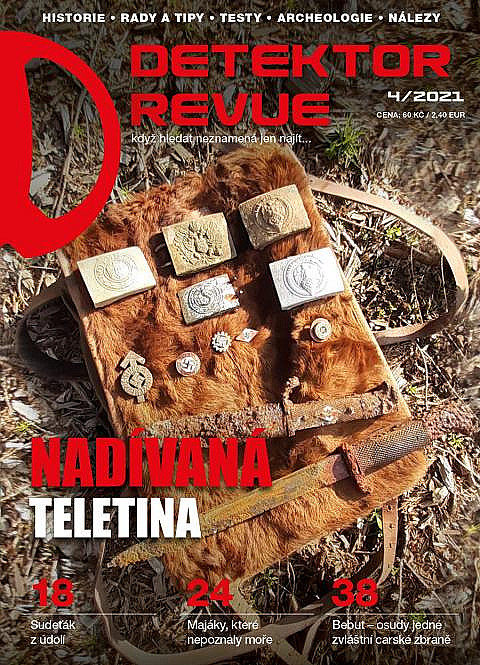
Stuffed veal
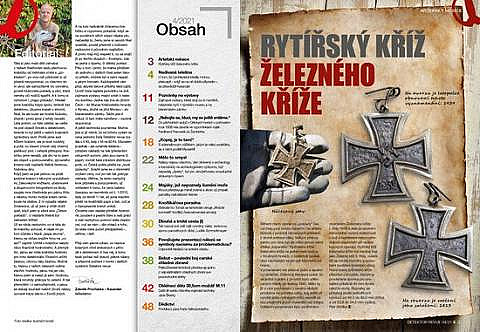
A Sudeten from the valley · Lighthouses that never saw the sea · Bebut – the story of a peculiar Tsarist weapon
This is an introduction to a Czech-language printed issue, not a translated edition of the magazine.
Nadívaná teletina
Original Czech issue ↗Your discovery. A new audience.
Authors receive a copy of the issue in which their contribution is published. We can also discuss further collaboration.
Become a contributor →Machine translation of the original editorial information.
Archived issue; a purchase offer is not currently confirmed.
Inside this issue
- 18 · A Sudeten from the valley
- 24 · Lighthouses that never saw the sea
- 38 · Bebut – the story of a peculiar Tsarist weapon
Historical introduction: prices, events and dates refer to the original publication.
Dear readers,
The fourth issue of Detektor Revue this year reaches you at the end of summer and the holidays, when most of us have already had our holidays. I hope these finds have left you with some wonderful treasure-hunting experiences and memories; you have even shared some of them with us in this issue of Detektor Revue. It seems we’ve definitely left the height of summer behind us – but I don’t know about you, I for one can’t wait to go for a wander through the colourful autumn countryside. And if there’s an interesting find – that would be a nice bonus on top of that. I wish you all undisturbed expeditions into the autumn countryside and some fine finds. I hope that everyone will find something of interest in this issue – something that might inspire your own searches, or perhaps even prompt you to write a contribution in which you can share your successes and experiences with the readers of Detektor revue.
So what can you look forward to?
In the opening feature, ‘Artefact of the Month’, Petr Smítka presents his extraordinary find: the Knight’s Cross of the Iron Cross. ‘Stuffed veal’ – that is what Kasander called his report on the discovery of artefacts hidden in the Sudetenland at the end of the Second World War.
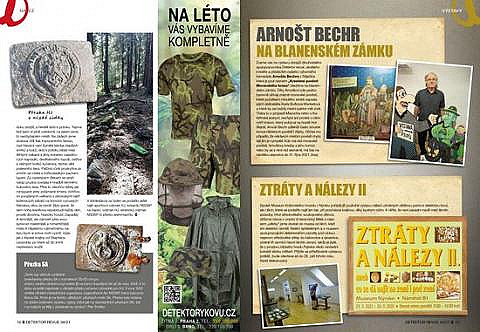
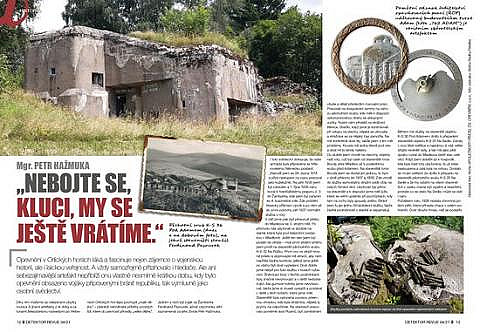
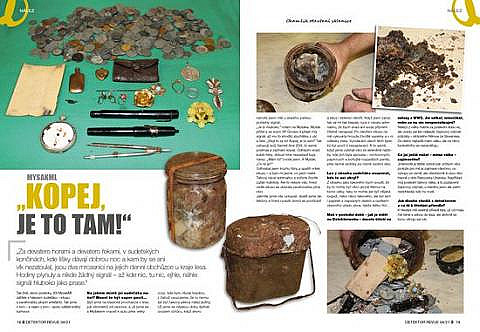
Interesting exhibitions well worth a visit can currently be found at the Nýr Museum and Blansko Castle. You can find out what they’re about in the ‘Exhibition Invitations’ section. “Don’t worry, lads, we’ll be back.” Soldier Ferdinand Pazourek from Žamberk, whose memories were recorded by Petr Hažmuka, will take you to the infantry bunkers in the Orlické Mountains during the turbulent year of 1938. “Dig, it’s there!” MysakMl shared with us the adrenaline-fuelled experience of discovering a Sudeten German.
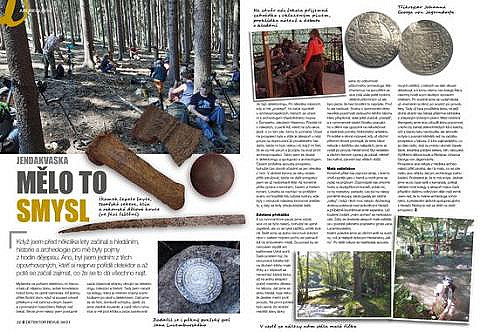
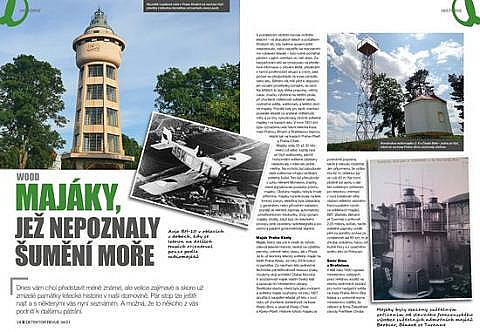
The following is an article entitled ‘It Was Worth It’, in which JendaKvaska confides that finds are not everything to him; even a day spent with archaeologists and friends on an archaeological dig, even if no ‘big finds’ turned up, was time well spent for him. Wood presents lesser-known and almost forgotten monuments to our aviation history in his article, which he has poetically titled ‘Lighthouses that Never Heard the Sound of the Sea’.
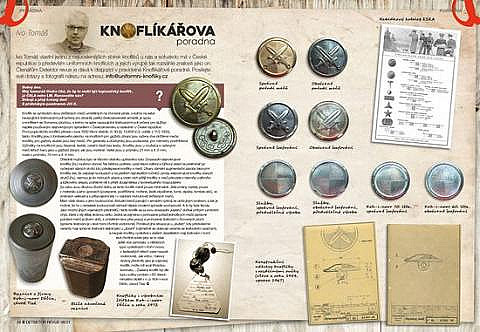
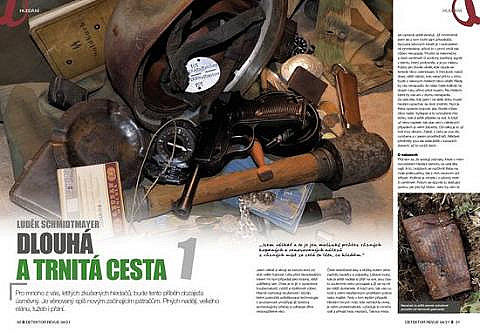
This time, Ivo Tomáš, an expert and collector of buttons, has taken a slightly unconventional and more extensive approach to his regular column, ‘The Button Collector’s Advice Column’: In it, he explores the ‘thirteenth chamber’ of Czechoslovak Army buttons. A Long and Arduous Journey (I) – under this promisingly dramatic headline, Luděk Schmidtmayer describes in an engaging report his efforts to find his dream find – a tank division’s armoured division badge.
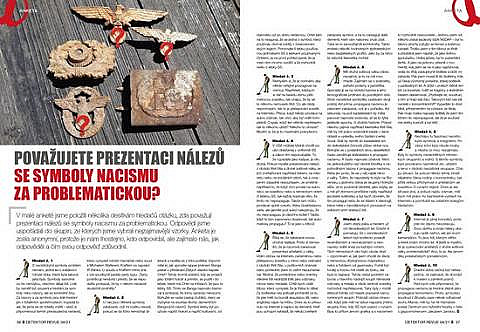
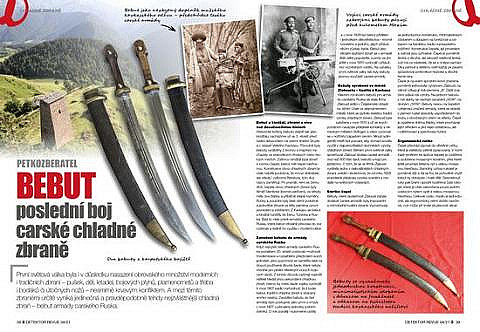
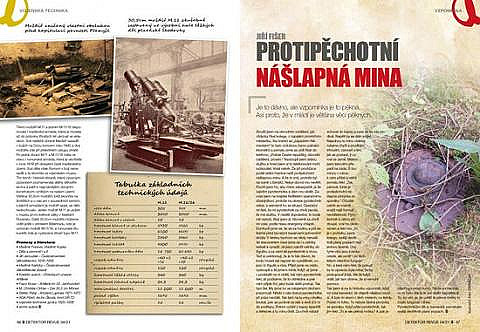
Do you consider the presentation of finds featuring Nazi symbols to be problematic? This is another question we asked treasure hunters in your favourite poll. In this issue, too, lovers of bladed weapons will find something to their liking; this time, PetkoZberatel presents some interesting additions to his collection, and these are truly extraordinary pieces – Bebuta from the Russian Tsarist Army. And we cannot miss another chapter in the history of weapons produced by Czechoslovak manufacturers, compiled for you by military technology historian Jan Škarka; in this instalment, he focuses on another outstanding product from Škoda: the 30.5 cm siege gun, the M.11 mortar
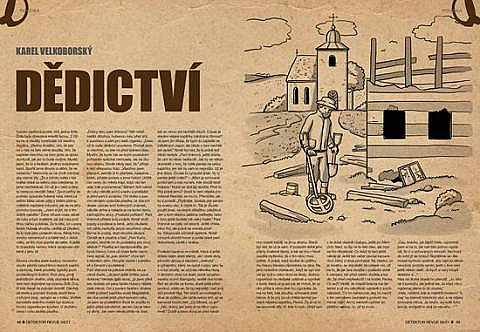
The anti-personnel landmine is named after Jiří Fišer’s recollection of a curious find from his youth. And, of course, we conclude with a short story, this time penned by Karel Velkoborský, which the author has titled, succinctly yet aptly, The Legacy.
Source: Detektorweb
Preview photographs