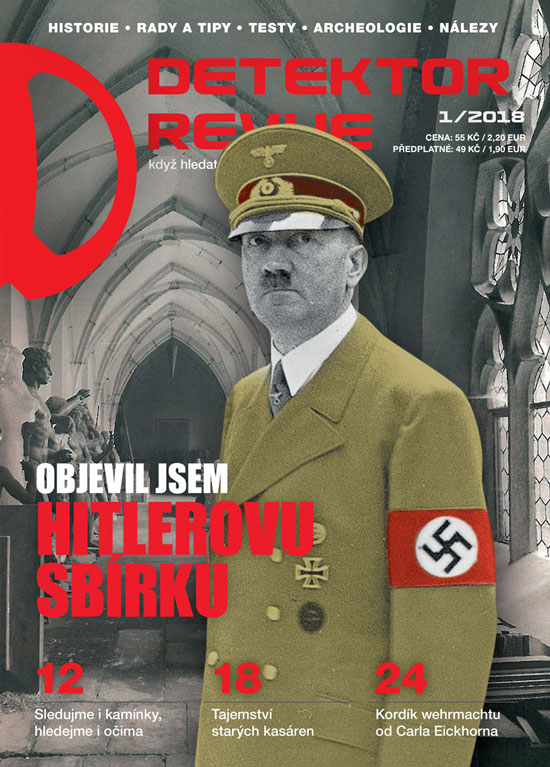
Detektor revue 1/2018
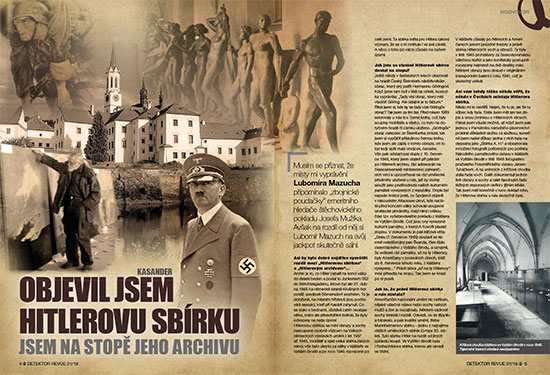
I discovered Hitler’s collection
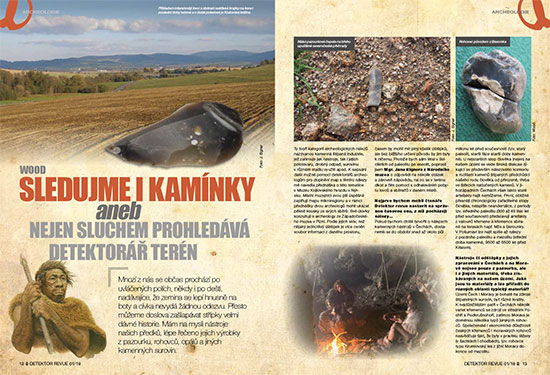
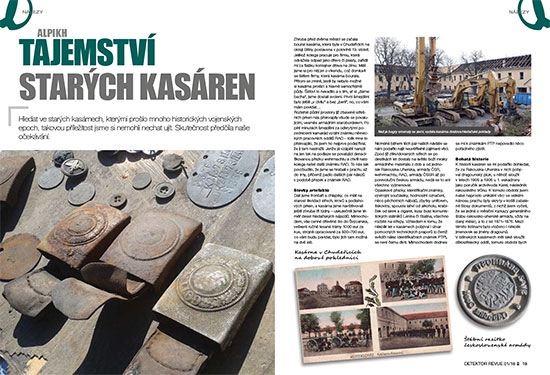
Let’s also keep an eye out for small stones; let’s search with our eyes as well · The Secrets of the Old Barracks · A Wehrmacht dagger by Carl Eickhorn
This is an introduction to a Czech-language printed issue, not a translated edition of the magazine.
Objevil jsem Hitlerovu sbírku
Original Czech issue ↗Your discovery. A new audience.
Authors receive a copy of the issue in which their contribution is published. We can also discuss further collaboration.
Become a contributor →Machine translation of the original editorial information.
Archived issue; a purchase offer is not currently confirmed.
Inside this issue
- 12 · Let’s also keep an eye out for small stones; let’s search with our eyes as well
- 18 · The Secrets of the Old Barracks
- 24 · A Wehrmacht dagger by Carl Eickhorn
Historical introduction: prices, events and dates refer to the original publication.
Dear readers,
The latest issue of Detektor revue is currently leaving the printers and is on its way to your letterboxes and the usual retail outlets. It is marked as No. 1/2018 and, as always, we’re offering you a little taster in advance.
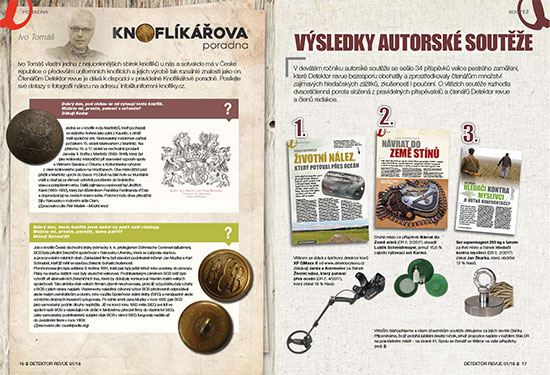
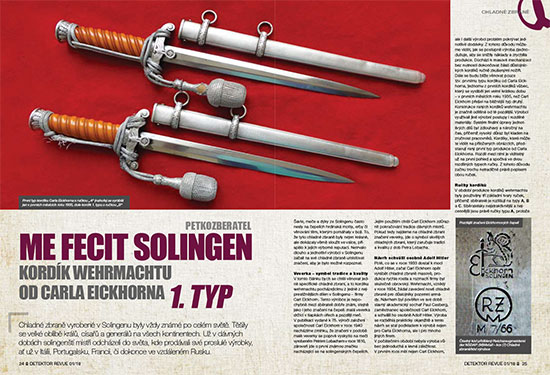
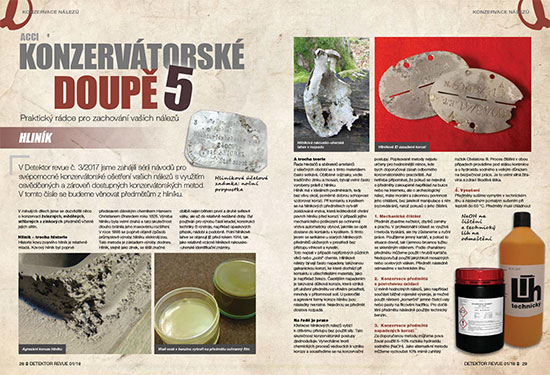
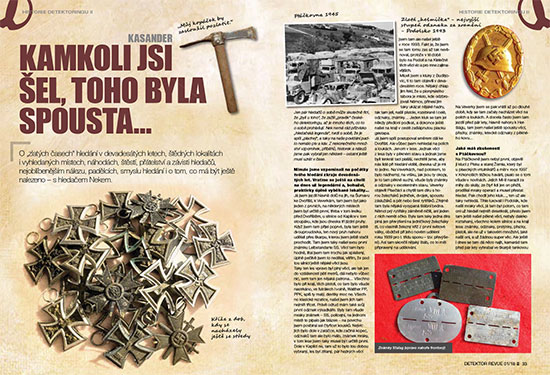
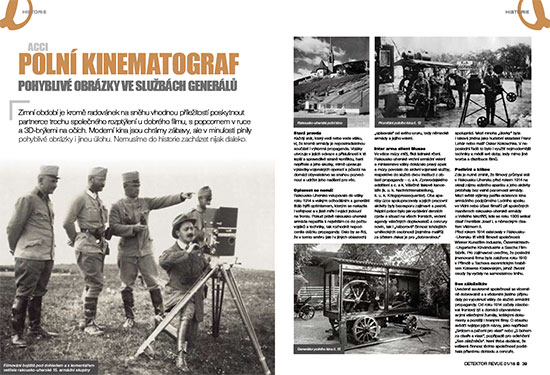
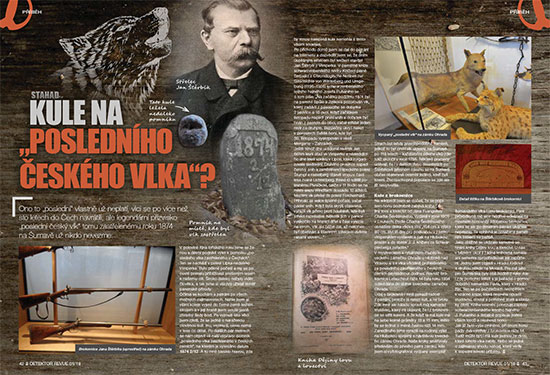
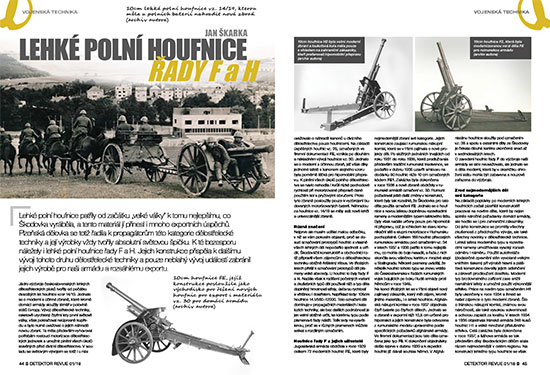
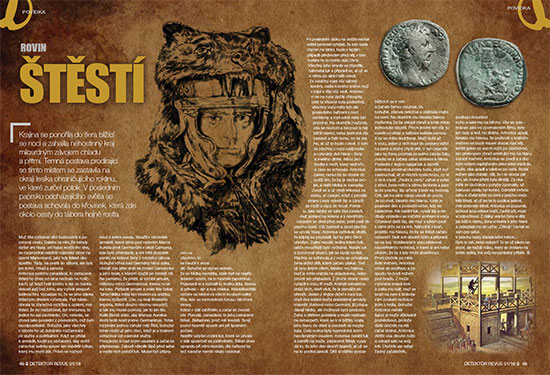
As is our tradition, we begin with our regular ‘Artefact of the Month’ feature, which this time features a unique item from the Second World War: a general’s snuffbox. In an interview entitled ‘I Discovered Hitler’s Collection’, researcher Lubomír Mazuch recounts his discovery of a collection of paintings and sculptures belonging to Hitler, which had been hidden in a monastery in Vyšší Brod during the war. Let’s also keep an eye on the pebbles – that’s what Mgr. called his interview with an archaeologist from the National Museum. Wood, a treasure hunter, discusses Jan Eigner’s findings of tools made by our ancestors from flint, chert and other stone materials. Ivo Tomáš, a collector and expert, answers your questions about button finds in the regular column ‘The Button Collector’s Advice Corner’. In this issue, we bring you the eagerly awaited results of the 9th annual Metal Detector Writers’ Competition. Below is the report ‘The Secrets of the Old Barracks’ by treasure hunter Alpikha, who, just before the complete demolition of the barracks in Bílina, searched through the ruins with his colleagues using a metal detector – and they were amazed by what they found... ‘Do you go on expeditions, or do you prefer to search near home?’ is the question we put to treasure hunters in our next regular feature, ‘Poll’. ‘Me fecit Solingen’ is the title of an article by our Slovak contributor PetkoZberatel, this time about a Wehrmacht dagger by Carl Eickhorn, Type 1. The fifth instalment of our series ‘The Conservator’s Lair’ is dedicated to those who do not wish to treat their finds like delicate pansies or irreversibly damage them through improper handling. Acci shares his experience from his work as a museum conservator with you. This time, we’ll be offering advice on how to care for aluminium finds. This is followed by the ‘Letters to the Editor’ section, responding to Kasandr’s article ‘The Stinking Messenger of Youth’. In the second of a series of interviews with Kasander, the legendary treasure hunter Nek recalls the early days of metal-detecting in the Czech Republic in the 1990s; this one is entitled ‘Wherever you went, there were loads of them…’. Acci, a master at unearthing unique stories buried in the layers of time, this time sheds light on the work of filmmakers during the First World War. He titled his article ‘The Field Cinematograph – Moving Pictures in the Service of the Generals’: Did Kule go after the ‘last Czech wolf’? That is the title Stahad gave to his article, in which he set out on the trail of his promising find near the spot where a wolf was shot in 1874. Those interested in military technology will certainly welcome another study by the military technology historian Jan Škarka: ‘Light Field Howitzers of the F and H Series’. Fans of short stories will certainly enjoy Happiness – another magical piece by Rovin. Next up is the ‘Archaeological Snippets’ column, this time entitled ‘In the Name of DNA’. You’ll find out, for example, why the Aztecs died out or what secrets a 17th-century mummy revealed.
Preview photographs